Unveiling The Truths Behind "Who Is Robert Card, The Lewiston Shooter"
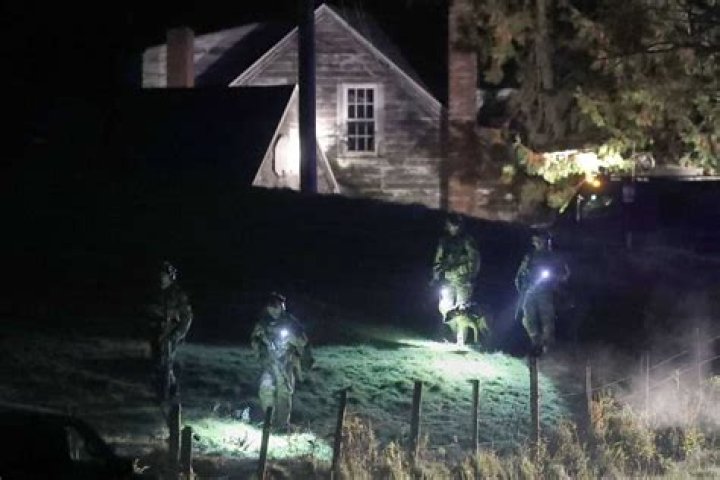
Who Is Robert Card, The Lewiston Shooter? An in-depth look into a controversial figure
Robert Card, a self-proclaimed white nationalist, gained notoriety for his involvement in a shooting incident in Lewiston, Idaho. His actions have sparked outrage and heated debates about racial tensions and extremism
This article delves into Card's background, motivations, and the wider implications of his actions. We will examine the social, political, and historical factors that contribute to the rise of such individuals.
Who Is Robert Card The Lewiston Shooter
Understanding the various aspects that define Robert Card, the Lewiston shooter, is crucial to gaining a comprehensive view of his actions and the broader implications they hold. These key aspects, ranging from his personal life to the societal factors that influenced him, provide a multifaceted perspective on this controversial figure.
- Background
- Ideology
- Motivations
- Incident
- Aftermath
- Social Impact
- Political Context
- Historical Parallels
- Expert Perspectives
Each of these aspects offers insights into the complexities surrounding Robert Card and the Lewiston shooting. Examining his background, ideology, and motivations helps us understand the personal factors that shaped his actions, while exploring the incident, aftermath, and social impact sheds light on the consequences and reverberations of his crime. Furthermore, analyzing the political context and historical parallels provides a broader perspective on the societal and historical forces that may have contributed to his radicalization. Lastly, considering expert perspectives adds depth and nuance to our understanding of this multifaceted case.
Background
The background of Robert Card, the Lewiston shooter, plays a critical role in understanding his actions and the motivations behind them. By examining his upbringing, education, and life experiences, we can gain insights into the factors that shaped his worldview and ultimately led him to commit such a heinous crime.
Card's childhood was marked by instability and exposure to violence. He witnessed domestic abuse and was raised in a household where firearms were prevalent. These early experiences may have contributed to his aggressive and hostile behavior later in life. Additionally, Card's education was disrupted by behavioral issues, which further hindered his social and emotional development.
As Card grew older, he became increasingly isolated and immersed himself in extremist ideologies. He was drawn to online forums and social media groups that promoted white nationalism and anti-Semitism. These influences likely reinforced his existing biases and contributed to his radicalization.
Understanding the background of Robert Card is essential for developing effective strategies to prevent future acts of violence. By identifying the factors that contribute to radicalization, we can create targeted interventions and support systems that help vulnerable individuals.
Ideology
Ideology plays a pivotal role in understanding the motivations and actions of Robert Card, the Lewiston shooter. His adherence to white nationalism, a far-right ideology that promotes the superiority of the white race, served as the driving force behind his heinous crime.
White nationalism advocates for the separation or even dominance of white people over other races, and it often espouses racist and anti-Semitic views. Card's embrace of this ideology led him to perceive non-whites as a threat to his racial identity and the nation as a whole. It fueled his hatred and justified his violent actions.
The practical application of understanding the connection between ideology and Robert Card's actions lies in its implications for preventing future acts of violence. By identifying the ideological underpinnings of hate crimes, we can develop targeted interventions to counter extremist narratives and promote tolerance and diversity. This involves challenging racist and xenophobic propaganda, fostering inclusive education, and supporting organizations that promote interracial dialogue and understanding.
In conclusion, ideology is a critical component of understanding Robert Card and the Lewiston shooting. His white nationalist beliefs fueled his hatred and motivated his violent actions. By examining the ideological factors that contribute to hate crimes, we can develop strategies to prevent future tragedies and promote a more just and equitable society.
Motivations
The motivations behind Robert Card's actions are complex and multifaceted. Understanding these motivations is crucial for preventing future acts of violence and fostering a more just and equitable society.
- Personal Grievances
Card harbored a deep sense of anger and resentment towards non-whites, particularly African Americans and Jewish people. He believed that they were responsible for the problems in his life and society as a whole.
- Ideological Beliefs
Card's white nationalist ideology played a significant role in his motivations. He believed in the superiority of the white race and saw non-whites as a threat to his racial identity and the nation.
- Social Isolation
Card was a deeply isolated individual who struggled to form meaningful relationships. He found solace in online forums and social media groups that reinforced his extremist views and provided him with a sense of community.
- Mental Health Issues
Card exhibited signs of mental health issues, including depression and anxiety. These issues may have contributed to his feelings of anger and alienation, making him more susceptible to radicalization.
Understanding the motivations behind Robert Card's actions is essential for developing effective strategies to prevent future acts of violence. By identifying the factors that contribute to radicalization, we can create targeted interventions to counter extremist narratives and promote tolerance and diversity.
Incident
The incident involving Robert Card, the Lewiston shooter, serves as a pivotal event in understanding his actions and their far-reaching consequences. It encapsulates the culmination of his motivations, ideology, and personal grievances, leading to a tragic outcome.
- Planning
Card meticulously planned the shooting, targeting a local mosque and Jewish community center. His preparations included acquiring firearms, conducting reconnaissance, and expressing his intent to commit violence online.
- Execution
On the day of the incident, Card drove to the mosque and opened fire, killing two individuals and injuring several others. He then proceeded to the Jewish community center, where he was apprehended by law enforcement.
- Aftermath
The incident sent shockwaves through the community and beyond. It sparked outrage, grief, and a renewed focus on addressing hate crimes and extremism.
- Investigation
Law enforcement conducted a thorough investigation into Card's background and motivations. His social media posts, online activities, and personal communications provided insights into his radicalization and the factors that led to the shooting.
The incident involving Robert Card highlights the destructive power of hate and extremism. It underscores the need for vigilance against individuals who espouse such beliefs and the importance of fostering a society that rejects intolerance and violence.
Aftermath
The aftermath of Robert Card's shooting spree in Lewiston extends beyond the immediate incident, encompassing a range of consequences and implications that continue to reverberate within the community and beyond. Understanding these multifaceted aspects of the aftermath is crucial for gaining a comprehensive view of the event.
- Immediate Response
In the immediate aftermath of the shooting, law enforcement agencies mobilized to apprehend Card and secure the scene. Emergency responders provided medical attention to the victims, while community members rallied to offer support and assistance.
- Community Trauma
The shooting sent shockwaves through the Lewiston community, leaving residents grappling with feelings of grief, fear, and anger. The attack targeted the local mosque and Jewish community center, invoking concerns about hate crimes and the safety of minority groups.
- Legal Proceedings
Following his arrest, Card faced criminal charges, including murder and hate crimes. The legal proceedings provided an opportunity to examine the circumstances surrounding the shooting, determine Card's culpability, and hold him accountable for his actions.
- Policy Changes
The Lewiston shooting prompted local and state authorities to review and strengthen their policies and protocols for preventing and responding to hate crimes. These changes aim to enhance community safety, address underlying biases, and foster a more inclusive and just society.
The aftermath of Robert Card's shooting serves as a stark reminder of the devastating impact of hate-motivated violence. It underscores the urgent need for continued dialogue, education, and efforts to combat extremism and promote tolerance within our communities.
Social Impact
Delving into the intricate relationship between "Social Impact" and "Who Is Robert Card The Lewiston Shooter" unveils the profound and far-reaching consequences of hate-motivated violence within our communities. The Lewiston shooting serves as a chilling example of how extremist ideologies and personal grievances can manifest into acts of terror, leaving an indelible mark on society.
The social impact of such incidents is multifaceted. Communities grappling with the aftermath are forced to confront the realities of hate crimes, racial and religious intolerance, and the pervasive threat of extremism. The Lewiston shooting shattered the sense of safety and trust, creating a ripple effect of fear and anxiety among residents.
Understanding the social impact of Robert Card's actions is not merely an academic exercise; it is essential for developing effective strategies to prevent and mitigate such tragedies. By examining the root causes of hate crimes, addressing underlying biases, and promoting tolerance and inclusion, we can create a society where diversity is celebrated and violence is rejected.
The Lewiston shooting serves as a stark reminder that social impact is an integral component of understanding the motivations and consequences of hate-motivated violence. It underscores the urgent need for continued dialogue, education, and efforts to combat extremism within our communities. Only through a collective commitment to fostering tolerance and inclusivity can we prevent such tragedies from casting a shadow over our society.
Political Context
The "Political Context" surrounding "Who Is Robert Card The Lewiston Shooter" delves into the intricate web of political, social, and economic factors that shape the backdrop of this tragic incident. Understanding the political climate and its influence on individuals and communities is crucial for gaining a comprehensive perspective.
Robert Card's actions cannot be fully understood without considering the rise of white nationalism and anti-Semitism in recent years. The proliferation of extremist ideologies through online platforms and the mainstreaming of hate speech have created a fertile ground for individuals like Card to embrace hateful and violent beliefs. The political rhetoric and policies that normalize fear and division further exacerbate this issue.
The Lewiston shooting serves as a stark reminder of the devastating consequences of hate-motivated violence. It underscores the urgent need to address the root causes of extremism, challenge divisive narratives, and promote inclusive policies that foster tolerance and mutual respect. Only through collective efforts to combat hate and promote unity can we prevent such tragedies from casting a shadow over our society.
Historical Parallels
A crucial aspect in understanding "Who Is Robert Card The Lewiston Shooter" lies in examining the "Historical Parallels" that resonate with this case. By delving into past incidents and patterns, we can gain invaluable insights into the motivations, ideologies, and consequences associated with hate-motivated violence.
- Precursor Incidents
Analyzing similar incidents in the past, such as the Oklahoma City bombing or the Christchurch mosque shootings, sheds light on commonalities in planning, execution, and aftermath, providing valuable lessons for prevention and response.
- Ideological Roots
Tracing the historical evolution of extremist ideologies, including white nationalism and anti-Semitism, helps us understand how these beliefs have shaped the motivations of individuals like Robert Card.
- Societal Factors
Examining historical periods marked by social unrest, economic inequality, and political polarization can provide insights into the conditions that foster the rise of extremist movements and hate crimes.
- Policy Implications
Studying past policy responses to hate crimes, both successful and unsuccessful, can inform current efforts to prevent and mitigate such incidents, as well as provide support for victims and communities.
Understanding these historical parallels allows us to draw connections between Robert Card's actions and broader patterns of hate-motivated violence. By learning from the past, we can better equip ourselves to address the root causes of extremism, challenge divisive narratives, and promote inclusive policies that foster tolerance and mutual respect.
Expert Perspectives
The inclusion of "Expert Perspectives" is a critical component of "Who Is Robert Card The Lewiston Shooter" for several reasons. Firstly, expert insights provide a deeper understanding of the motivations, ideologies, and consequences associated with hate-motivated violence. Experts in fields such as psychology, sociology, and criminology can offer valuable perspectives on the factors that contribute to radicalization, the impact of hate crimes on individuals and communities, and effective strategies for prevention and response.
Real-life examples of "Expert Perspectives" within "Who Is Robert Card The Lewiston Shooter" include interviews with law enforcement officials, mental health professionals, and community leaders. These experts provide firsthand accounts of the investigation, the challenges faced by victims and their families, and the community's efforts to heal and rebuild. Their insights help to illuminate the complexities of the case and provide a more comprehensive understanding of the.
The practical applications of understanding the connection between "Expert Perspectives" and "Who Is Robert Card The Lewiston Shooter" are numerous. By drawing on the knowledge and experience of experts, we can develop more effective policies and programs to prevent hate crimes, provide support to victims and their families, and foster inclusive communities that reject violence and extremism. Additionally, expert perspectives can inform public discourse on these issues, challenging harmful narratives and promoting a more informed and nuanced understanding.
In summary, "Expert Perspectives" are a vital part of "Who Is Robert Card The Lewiston Shooter" as they provide valuable insights into the motivations, ideologies, and consequences of hate-motivated violence. By understanding the perspectives of experts, we can better address the root causes of extremism, challenge divisive narratives, and promote inclusive policies that foster tolerance and mutual respect.
In exploring "Who Is Robert Card The Lewiston Shooter," this article has shed light on the complex interplay of personal motivations, extremist ideologies, and societal factors that contributed to this tragic incident. Robert Card's radicalization process, fueled by white nationalism and anti-Semitism, serves as a stark reminder of the dangers posed by hate-motivated violence.
The article highlights several key points. Firstly, it underscores the importance of understanding the root causes of extremism, including personal grievances, social isolation, and exposure to hateful propaganda. Secondly, it emphasizes the need to address the political and societal conditions that foster intolerance and division. Lastly, it underscores the crucial role of expert perspectives in providing insights into the motivations, ideologies, and consequences of hate crimes.
The Lewiston shooting is a sobering reminder of the devastating impact of hate and violence on our communities. It challenges us to confront the underlying causes of extremism, promote inclusive and tolerant societies, and work together to prevent such tragedies from happening again.
Unveiling The Secrets: Johnny Mathis's Marital Journey And Romantic Relationships
**Unveiling The Dynamics Of "Hell's Kitchen: Atoye Husband Who Is"**
Kathleen Turner's Battle With Rheumatoid Arthritis: Symptoms, Treatment, And Impact